
Project Overview
Wellbeing has been described as what contributes to ‘a good life’ (Bache & Reardon, 2016). We assessed community wellbeing in the Yakima River Basin as a part of NSF’s Transformation Network, which aims to build community resilience. We conducted interviews with key informants and community members in partnering cities and towns to understand wellbeing experiences, food systems, population change, water and environmental changes, and rural-urban connections. The results were presented to partnering communities through presentations and community reports (available soon! Contact Dr. Courtney Flint with Questions) with the intent to aid in regional and community planning.I think a sense of community and belonging is one of the most important, most empowering and most resourceful things that we can have.
Dr. Jessica Ulrich-Schad, Associate Professor, Utah State University
Alex Theophilus, PhD Student, Utah State University
Emma Epperson, MS Student, Utah State University
Dr. Rebecca Gustine, Washington State University
Bailey Holdaway, MS Student, Utah State University
McKayle Law, Staff, Utah State University
Dr. Claudia Mendez-Wright, Central Washington University
Community Reports

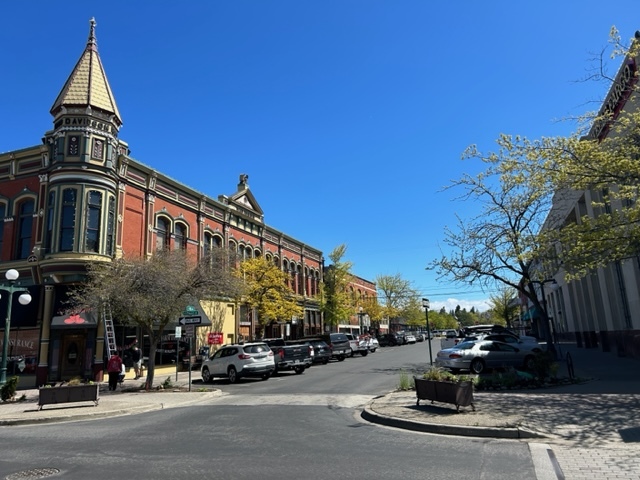
In Ellensburg, community members spoke fondly of the Ellensburg’s “small town feel,” strong agricultural heritage, and access to nature. Among the primary concerns were a growing population, as well as affordable access to healthcare and housing.
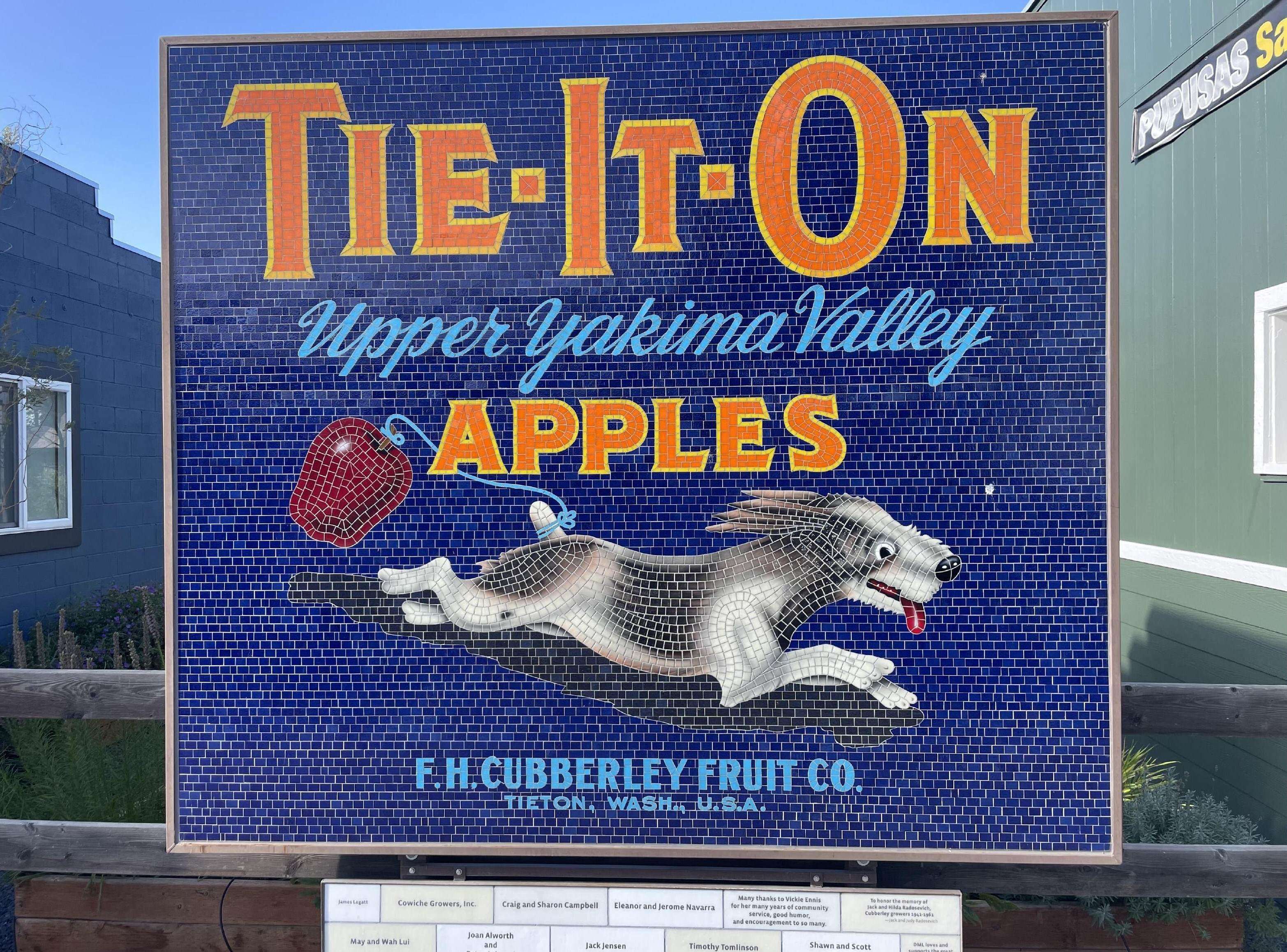
Interviewees in Tieton discussed topics such as community safety, support for youth, and agriculture as primary contributors to their wellbeing. Among the concerns discussed by community members were affordable housing and food access.
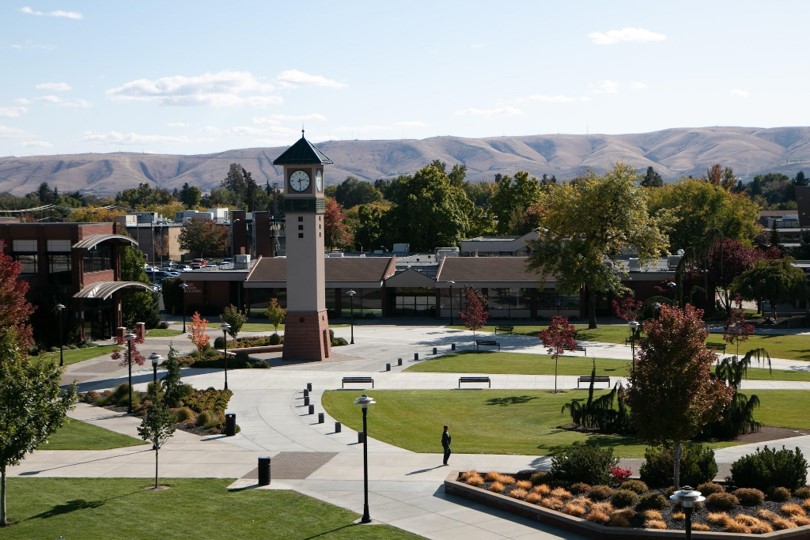
In Yakima, interviewees discussed the strong sense of community and connection they feel in their city and about the importance of agriculture to economic wellbeing. Safety and differential levels of wellbeing were mentioned as primary threats to many people's wellbeing in the city of Yakima.
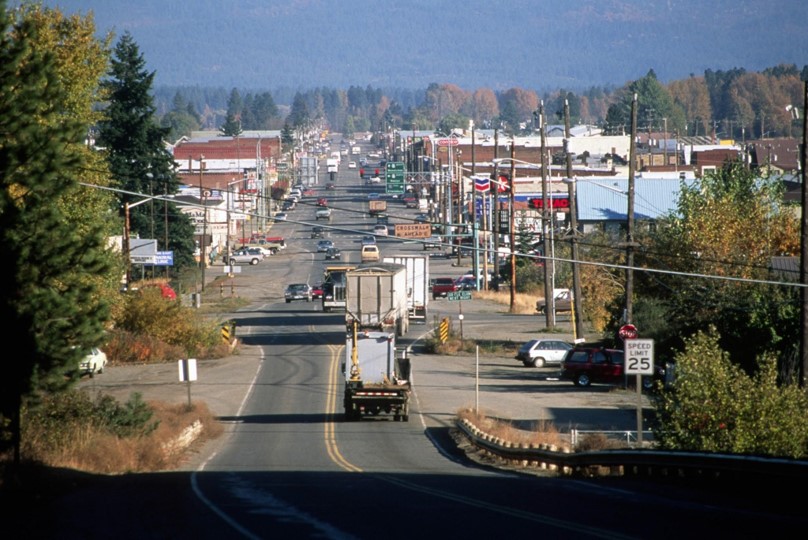
In Upper Kittitas County, community members value their connection to the local environment, community bonds of a tight-knit community, and pride in its historical traditions. Population growth and cost-of-living were primary concerns looking into the future.
Community Engagement Efforts
Research was continued with Roslyn and Cle Elum in Upper Kittitas County, where leaders were interested in resources on how to build community resilience through community action. By understanding the assets and challenges collected through the Yakima Wellbeing Project we created a toolkit the aimed to engage locals in town planning processes. The Community Outreach, Navigating Networks, Encouraging Collaboration Toolkit (CONNECT) included a collection of frameworks, tools, workbooks, and guides to enhance community connection and engagement. Download the Upper County Toolkit here! This community provides an enormous amount of history and natural beauty. It's a community that has found a way to collaborate.
Project Maps
Transformation Network
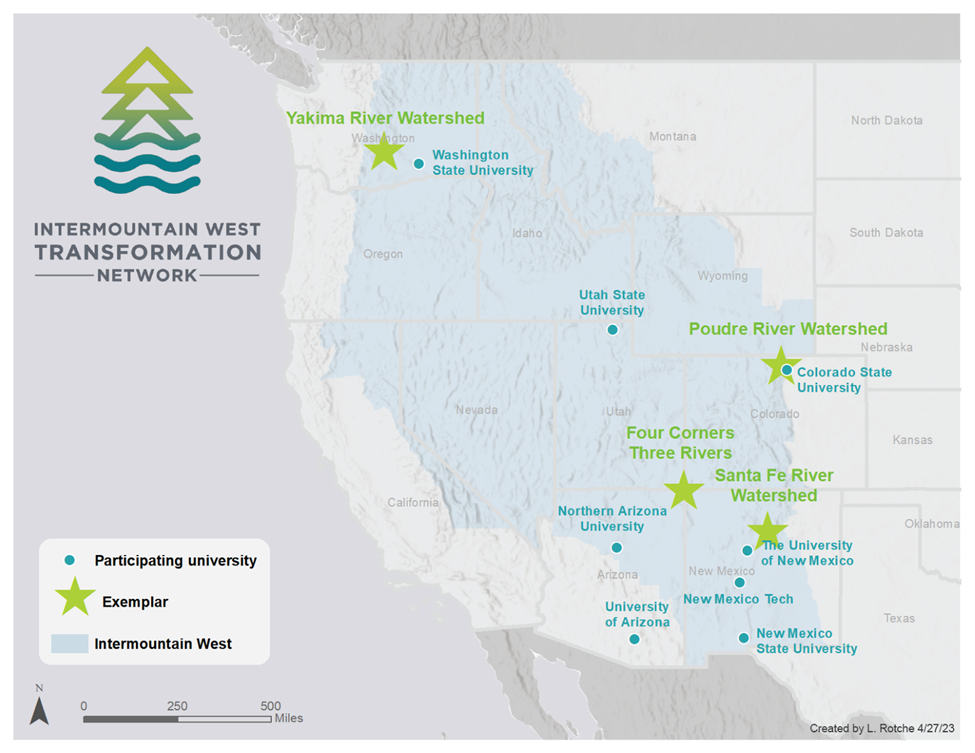
NSF Transformation Network Partnering Institutions and Research Exemplars
Yakima River Basin
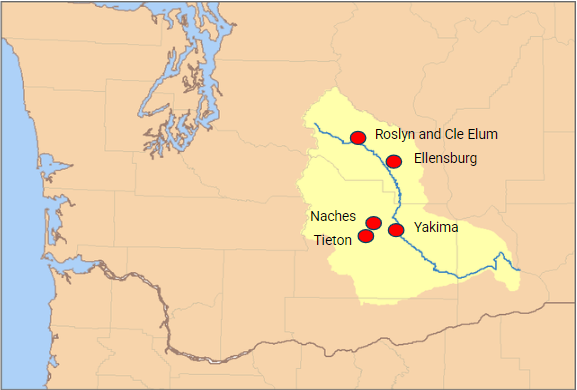
Yakima River Basin Partnering Cities and Towns
Publications
Gustine, R., Theophilus, A., Flint, C. G., Ulrich-Schad, J. D., Epperson, E., Mendez Wright, C., & Adam, J. C. (2025). Managing beyond water: Utilizing community well-being interviews in the Upper Yakima River Basin, USA, for climate change adaptation. Ecology and Society, 30(1). https://doi.org/10.5751/ES-15809-300107
Theophilus, Alexander W., "Linking Community-Level Food Sovereignty to Subjective Wellbeing: Framing Perspectives on Food Systems in the Upper Yakima River Basin" (2024). All Graduate Theses and Dissertations, Fall 2023 to Present. 269. https://digitalcommons.usu.edu/etd2023/269
Theophilus, A., Ulrich‐Schad, J.D., Flint, C.G., and Epperson, E. 2025. “Amenity Migration and Community Wellbeing in Washington’s Kittitas County Post‐ COVID ‐19 Pandemic.” Rural Sociology. doi:10.1111/ruso.12590.
Ulrich-Schad, J.D., Mueller, J.T., Theophilus, A., Verno, M., and Koci, K. “Natural Resource Dependencies in Rural America: National Trends and Community Perspectives on Wellbeing.” In Rural America in the 2020s: Shocks, Stressors, and Successes eds. Green, J. and Monnat, S. Forthcoming.
Datasets
Flint, C. G., A. Theophilus, E. Epperson, J. Ulrich-Schad (2025). Yakima River Basin Wellbeing Interviews, HydroShare, http://www.hydroshare.org/resource/e5a4fefc9bfa428cb6f32fcf57d3554f Please direct any questions to Alex Theophilus (a.theophilus@usu.edu) or Dr. Courtney Flint (courtney.flint@usu.edu)
Flint Lab Home
Picture credits: Bailey Holdaway, Emma Epperson, Dr. Courtney Flint, Alex Theophilus