
Research
Our lab studies how humans respond to environmental change and how ecosystems respond to anthropogenic stressors. Typically, we work within interdisciplinary research teams to explore solutions to pressing problems affecting natural ecosystems. These studies may entail surveying members of the public, interviewing public and private landowners and managers, measuring characteristics of plant communities, or analyzing maps of land use and land cover. Here are the major themes we currently are exploring:
Addressing social and ecological scale mismatches
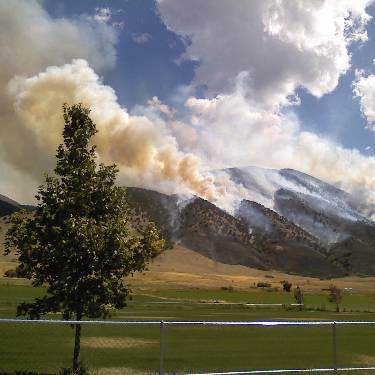
Often the scales at which ecological processes operate differ from the scales at which ecosystem management decisions are made. Wildfires, non-native species invasions, disease outbreaks, and wildlife migrations all regularly cross jurisdictional boundaries. We study how collaboration among landowners and managers can lead to improved conservation outcomes, and look for ways to reduce institutional and social barriers to collaboration. Recent studies have focused on post-fire restoration, wildland fuels reduction, bison reintroduction, and national park and protected area management.
Adoption of rangeland restoration and management innovations
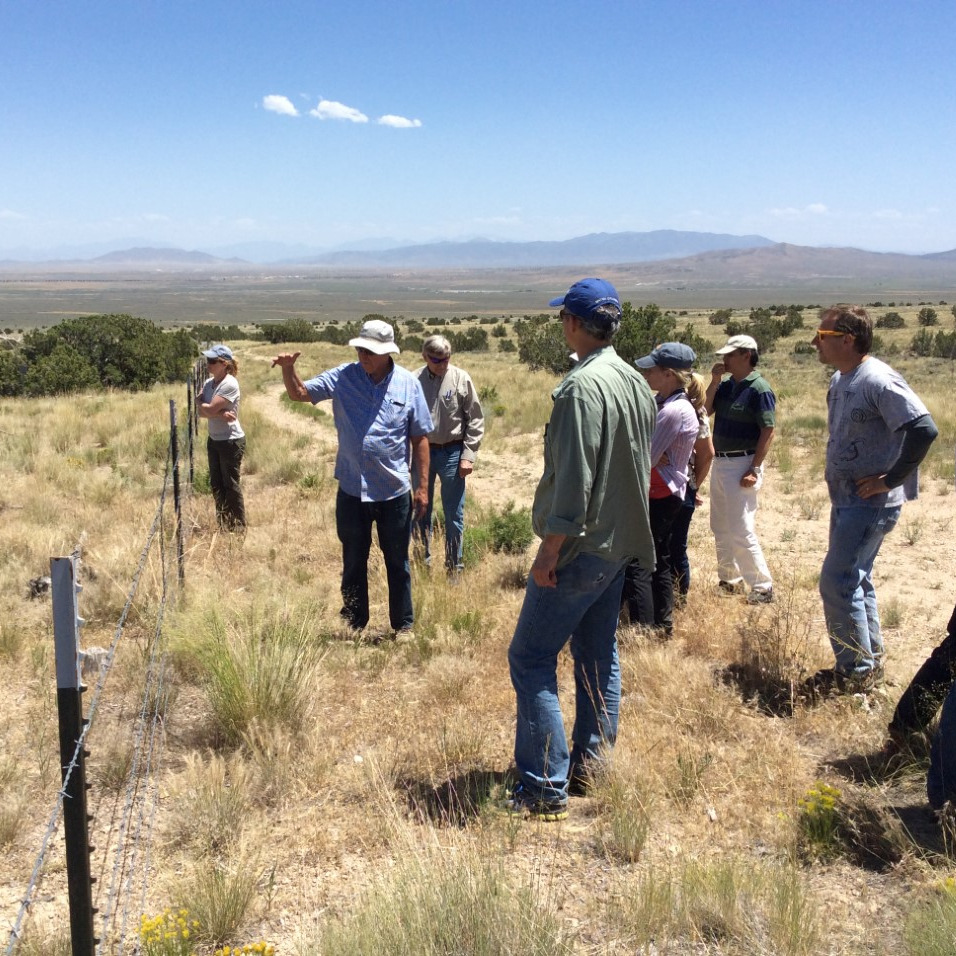
Rangeland scientists have developed many practices, technologies, and decision support tools designed to help public land managers and ranchers sustain the resources and values that rangelands provide. However, adoption of these innovations can be slow or sporadic. We study the organizational, social, and economic factors that impede adoption of rangeland conservation innovations and look for recommendations for how to reduce barriers to management change.
Responding to impacts of anthropogenic change
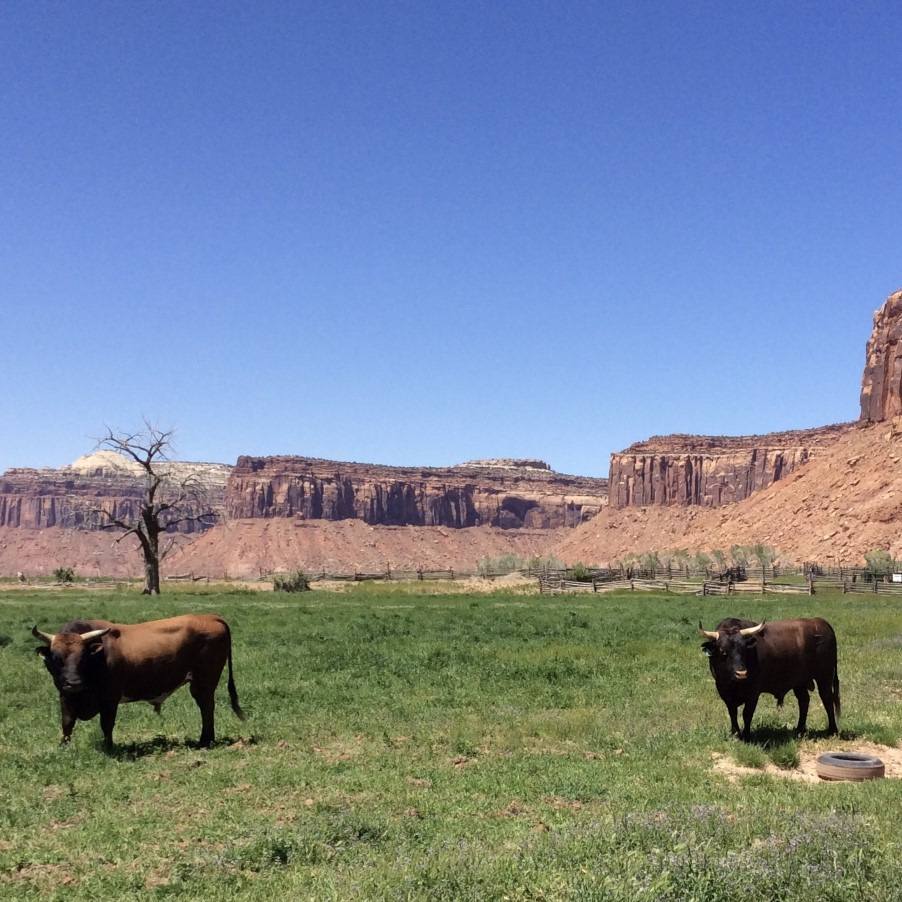
Climate change, land use intensification, and human-aided biological invasions can threaten both human communities and ecosystems. Often these forces operate in combination, such as when a changing climate plus past fire suppression increases the likelihood of large wildfires that threaten communities. We study how people have been, or are likely to be, affected by such changes, as well as ways in which people have adapted or may be able to adapt their circumstances to reduce the impacts of human-driven environmental change